


Employment Opportunities in Bulgaria for International Workers
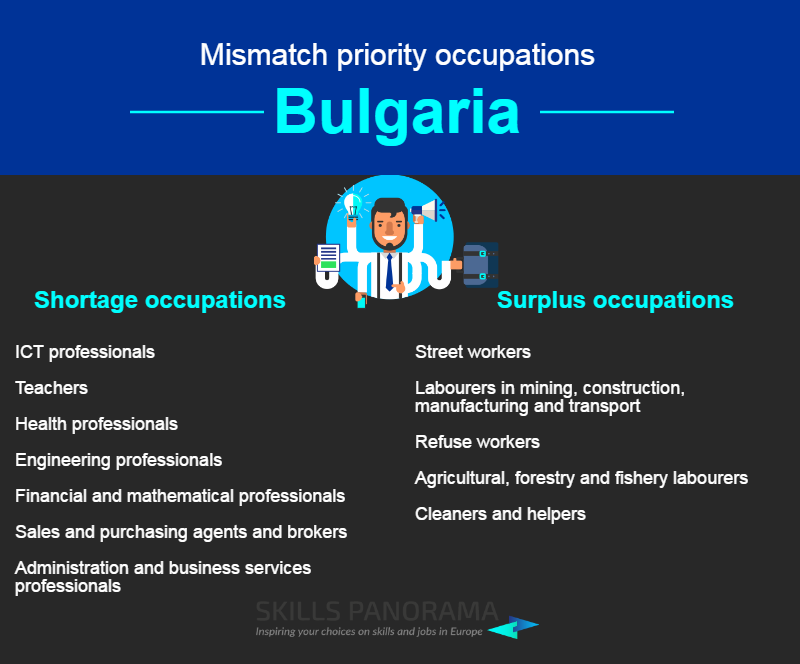
Bulgaria, a country in Southeastern Europe known for its cultural heritage and natural beauty, is becoming an attractive hub for international workers seeking stable job opportunities. Over the past decade, Bulgaria has experienced steady economic growth, with industries like manufacturing, automotive, textiles, food production, and electronics leading the way. However, one of the most pressing issues the country faces is a shortage of workers, particularly in production and manufacturing jobs.
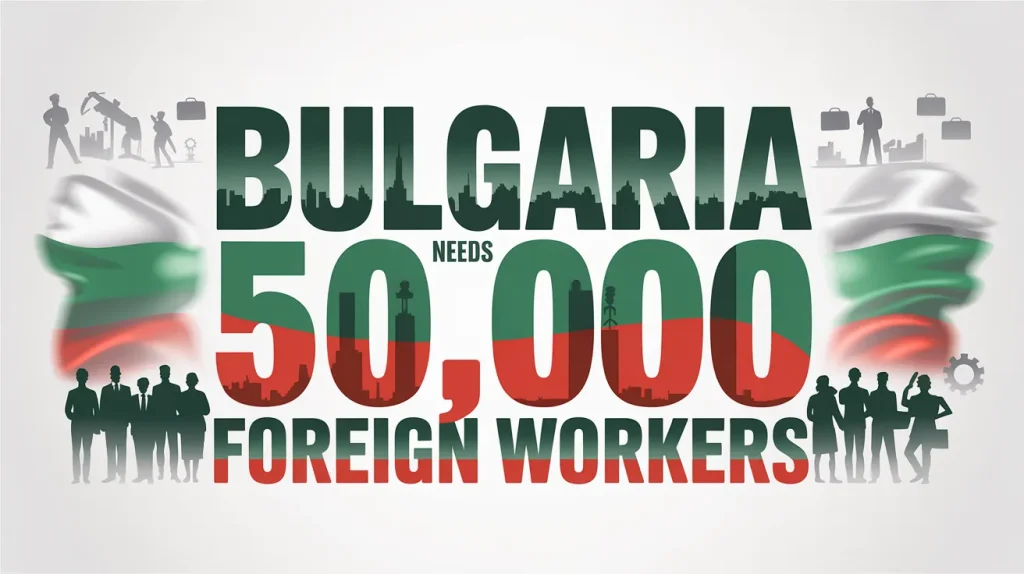
As a result, international recruitment has become essential to Bulgaria’s labor market. Employers are actively looking for skilled and unskilled workers from abroad to fill critical gaps in the workforce. If you are considering working in Europe, Bulgaria offers a wealth of opportunities—especially in production employment, where demand continues to rise.
Why Bulgaria Needs International Workers
Bulgaria’s economy is heavily dependent on its industrial and manufacturing base. Exports play a major role, with the country supplying goods such as automobile parts, textiles, machinery, and processed foods to European and global markets.
Yet, Bulgaria is facing several challenges that have increased the need for foreign employees:
Demographic Decline – Bulgaria has one of the fastest-shrinking populations in Europe. Many young professionals migrate abroad, leaving a shortage of workers at home.
Labor Shortages in Key Industries – Employers in manufacturing, construction, agriculture, and hospitality struggle to find enough staff.
Economic Growth Outpacing Workforce Supply – Foreign investment has increased in Bulgaria, especially in industrial hubs like Sofia, Plovdiv, Varna, and Burgas. However, the local labor force is insufficient to meet production demand.
Globalization of Workforce – Like many EU countries, Bulgaria is opening its doors to international workers to remain competitive.
These factors explain why Bulgaria is now actively encouraging international recruitment programs, making it an ideal destination for job seekers.
Production Employment in Bulgaria: The Core of Labor Demand
Among all industries in Bulgaria, production employment stands out as the most in-demand. Factories, assembly plants, and logistics centers are constantly looking for workers to maintain output and support growing export markets.
Key Areas of Production Jobs
Automotive Industry – Bulgaria is an important player in the European automotive supply chain, producing car parts, electrical components, and machinery.
Textiles and Clothing – With a long tradition in textile manufacturing, Bulgaria exports garments for global fashion brands. Workers are needed in sewing, stitching, and quality control.
Food Production and Processing – Bulgaria’s agricultural base supports a strong food-processing sector, employing thousands in packaging, production lines, and quality inspection.
Electronics and Machinery – Skilled technicians and machine operators are required in Bulgaria’s growing electronics and heavy machinery plants.
Warehousing and Logistics – With exports on the rise, warehouses and packaging facilities constantly need workers.
Types of Production Jobs Available for International Workers
International workers in Bulgaria can find both entry-level and skilled positions in production. Some of the most common roles include:
Production Line Workers
Machine Operators
Quality Control Inspectors
Packaging and Logistics Staff
Forklift Drivers
Sewing Machine Operators (Textile Industry)
Technicians and Engineers (for skilled roles)
Supervisors and Shift Managers
The majority of these jobs require basic training rather than advanced education, making them accessible to a wide pool of international applicants.
Salaries in Production Employment in Bulgaria
One of the main attractions for international workers is the balance between salary and cost of living. While wages in Bulgaria may be lower than in Western Europe, the cost of living is also among the lowest in the EU.
Entry-Level Production Workers – €500 to €800 per month
Skilled Machine Operators / Technicians – €800 to €1,200 per month
Supervisors and Engineers – €1,200 to €1,800 per month
Given that Bulgaria’s cost of living is 40-50% lower than Western Europe, workers are able to live comfortably while saving money.
Top Cities for Production Jobs in Bulgaria
Sofia – The capital city, home to large industrial parks and multinational companies.
Plovdiv – Known as Bulgaria’s industrial heart, with strong manufacturing and logistics hubs.
Varna – A port city with opportunities in shipping, warehousing, and food production.
Burgas – Another key port city with growing demand in logistics and packaging.
Stara Zagora – A fast-growing industrial region with opportunities in automotive and food processing.
Benefits of Working in Bulgaria as an International Worker
Affordable Living – Rent, transport, and food costs are significantly lower compared to other EUcountries.
Stable Job Market – Production industries offer long-term employment with regular shifts.
Entry into the European Union – Working in Bulgaria can be a pathway to other opportunities within the EU.
Cultural Diversity – The influx of foreign workers is making Bulgaria more open and globally connected.
Training Opportunities – Many employers offer training programs for machine operation, language skills, and workplace safety.
Who Can Apply for Jobs in Bulgaria?
Bulgaria welcomes workers from both EU and non-EU countries.
EU Citizens – Can work freely without a visa.
Non-EU Citizens – Need a work permit, usually arranged by the employer or recruitment agency.
Basic knowledge of English or Bulgarian is helpful, but many production roles require only minimal language skills.
Challenges International Workers May Face
While Bulgaria is full of opportunities, international workers should also consider some challenges:
Language Barrier – Not all workplaces use English, though production jobs often require little communication.
Lower Salaries Compared to Western Europe – Although affordable living offsets this, some workers may prefer higher-paying EU countries.
Work Permit Process – Non-EU citizens may face paperwork delays when applying for jobs.
Despite these challenges, the majority of workers find Bulgaria an accessible and rewarding place to start or continue their careers.
Future Outlook: Why Production Jobs Will Keep Growing
Bulgaria’s manufacturing and production industries are expected to expand over the next decade due to:
Rising foreign direct investments from European companies.
Government initiatives supporting industrial zones.
Increased export demand for textiles, automotive parts, and food products.
Ongoing labor shortages caused by population decline.
This means that production employment will continue to be one of the strongest opportunities for international workers in Bulgaria.
Conclusion
Bulgaria is a country full of employment opportunities for international workers, especially in the production sector. With industries like automotive, textiles, food processing, and electronics leading demand, foreign employees play an essential role in filling labor gaps.