


The Challenges and Opportunities of International Hiring
In a world where businesses are no longer confined by borders, international hiring has become a critical strategy for growth. Companies now look beyond their home countries to attract skilled professionals, diversify teams, and remain competitive in a global marketplace.
But hiring internationally isn’t without challenges. From compliance with labor laws to managing cultural differences, global recruitment requires a careful balance of strategy and execution. At the same time, it offers incredible opportunities to build stronger, more innovative organizations.
This blog explores the key challenges and opportunities of international hiring and how businesses can navigate this evolving landscape.

Why International Hiring Matters
Globalization and digital transformation have reshaped the workforce. Remote work, flexible policies, and advanced collaboration tools now allow businesses to recruit talent anywhere in the world.
Access to global talent: Employers can source skills not readily available in their local markets.
Diversity and inclusion: Hiring across borders introduces new perspectives and ideas, strengthening innovation.
Competitive advantage: Companies with diverse international teams can expand faster and serve customers better in global markets.
International hiring isn’t just a trend—it’s becoming a necessity for organizations aiming to scale.
The Challenges of International Hiring
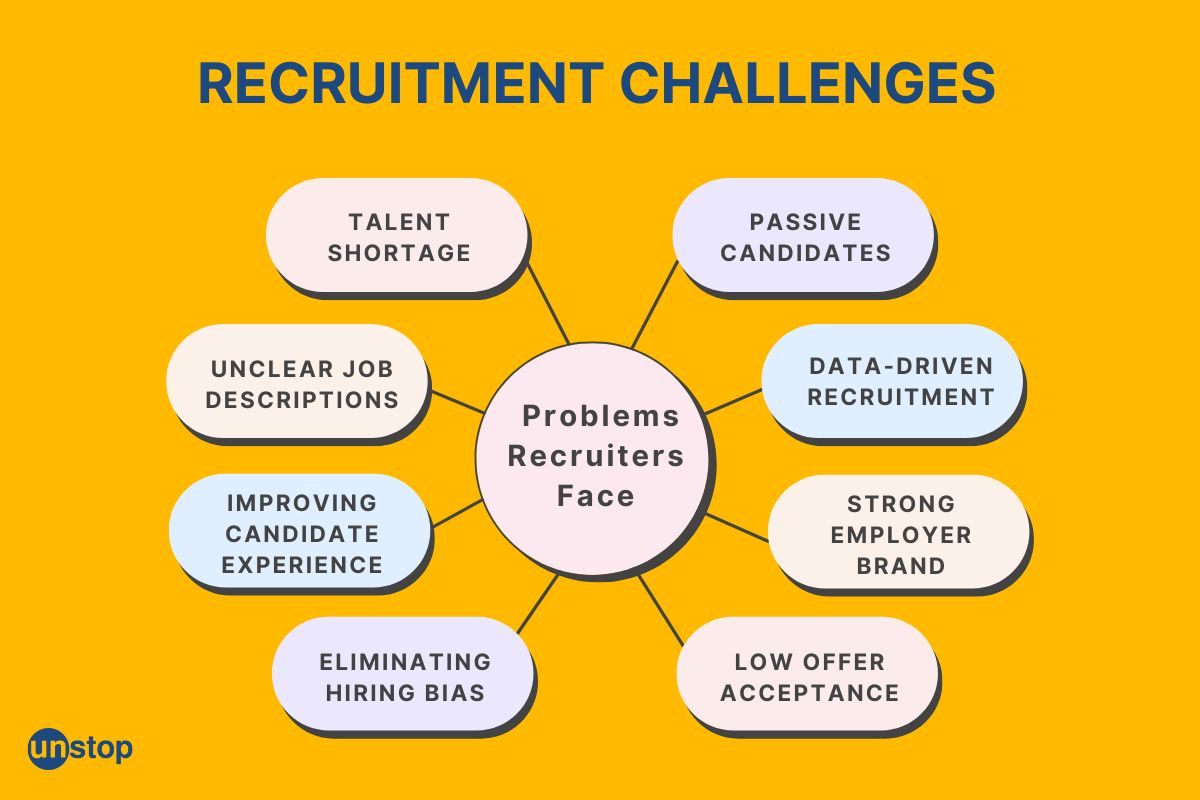
While the benefits are significant, global recruitment brings several hurdles that businesses must address.
1. Legal and Compliance Issues
Each country has its own employment laws, tax regulations, and visa requirements. Misunderstanding or violating these rules can lead to legal penalties and reputational damage.
Examples include payroll taxes, employee benefits, and work visa requirements.
Employers often need to work with global payroll providers or Employer of Record (EOR) services to ensure compliance.
2. Cultural Differences
Workplace culture varies dramatically across regions. Communication styles, leadership expectations, and workplace etiquette differ between countries.
For example, employees in Japan may expect hierarchical structures, while Scandinavian countries value flat, collaborative systems.
Misunderstanding these cultural norms can create conflict and reduce productivity.
3. Time Zone Barriers
Hiring across continents often means dealing with significant time zone differences.
Scheduling meetings and ensuring real-time collaboration can become challenging.
Businesses may need to adopt flexible schedules or asynchronous communication strategies.
4. Recruitment Costs
Although social media and online platforms reduce costs, international hiring still requires investment.
Expenses include relocation packages, compliance management, and recruitment agency fees.
If not managed properly, global hiring can exceed budget expectations.
5. Technology and Infrastructure Limitations
Not all countries have the same access to high-speed internet, collaboration tools, or modern work infrastructure.
This can impact productivity, especially in remote-first roles.
Companies must evaluate a candidate’s work environment before hiring.
The Opportunities of International Hiring
Despite the challenges, international recruitment offers tremendous opportunities that can transform businesses.
1. Access to a Broader Talent Pool
Companies can tap into specialized skills that may not exist in their local markets.
For example, a U.S.-based company can hire software engineers in India or data scientists in Eastern Europe.
This ensures access to highly skilled professionals at competitive rates.
2. Diverse and Inclusive Teams
Diversity fosters innovation. Employees from different cultural and professional backgrounds bring fresh perspectives and problem-solving approaches.
McKinsey research shows that companies with diverse teams are 35% more likely to outperform competitors.
3. 24/7 Productivity
Hiring across time zones can actually boost efficiency.
Teams working in different regions can ensure continuous progress on projects, creating a “follow-the-sun” model.
This is especially beneficial in industries like IT support and customer service.
4. Global Market Expansion
International employees provide insights into local markets.
They understand customer behavior, preferences, and regulations, making expansion easier.
This local expertise reduces risks when entering new regions.
5. Cost Savings in Certain Markets
Hiring from regions with lower living costs can help businesses save money while still offering competitive salaries locally.
For instance, a startup may hire top developers in Latin America at lower costs compared to Silicon Valley.
How to Overcome International Hiring Challenges
To maximize opportunities while minimizing risks, companies must take a strategic approach:
Work with Employer of Record (EOR) Providers
EOR services handle compliance, payroll, and contracts on behalf of employers.
This reduces legal risks and simplifies onboarding.
Invest in Cross-Cultural Training
Provide employees with training on cultural awareness.
Encourage open communication to bridge cultural differences.
Adopt Technology for Collaboration
Tools like Slack, Zoom, and Asana enable global teams to work seamlessly.
Asynchronous communication ensures no one is left behind due to time zones.
Offer Flexible Work Policies
Remote-first or hybrid policies make international hiring easier.
Flexibility helps attract top talent who value work-life balance.
Build a Strong Employer Brand
Showcase company culture through social media and employee testimonials.
A strong online presence helps attract global talent and builds trust.
The Future of International Hiring
The future of work is borderless. With remote work becoming the norm, international hiring will continue to grow. Artificial Intelligence (AI) and automation will play key roles in:
Screening candidates globally with advanced matching algorithms.
Managing compliance through automated payroll and tax tools.
Enhancing recruitment marketing to reach international audiences.
Companies that adapt early to international hiring practices will not only secure top global talent but also create diverse, resilient, and innovative workforces.

Final Thoughts
International hiring comes with both significant challenges and exciting opportunities. Legal compliance, cultural barriers, and time zone issues are real concerns—but they can be managed with the right tools and strategies.